


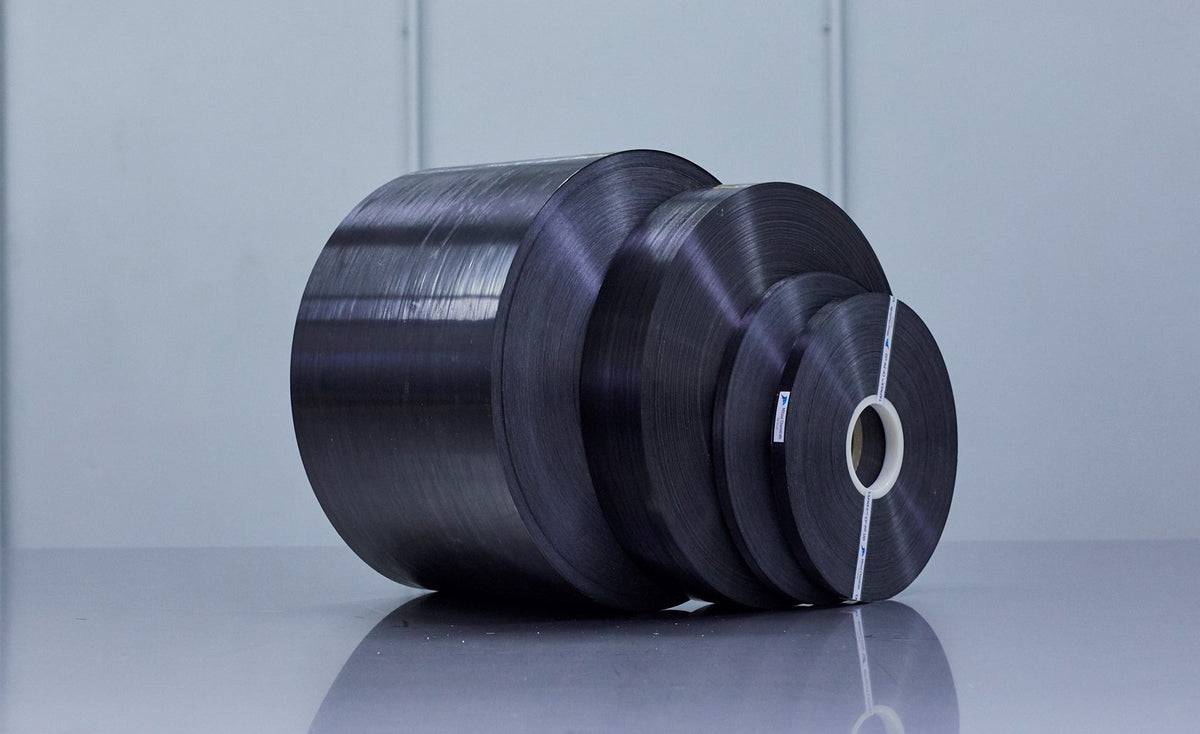
TAFNEX™ UD Tape is an ultra-thin, continuous tape reinforced with unidirectionally aligned carbon fibers, embedded in a thermoplastic polypropylene matrix. Ideal for direct component manufacturing, it can also be transformed into semi-finished products, which are available as well.
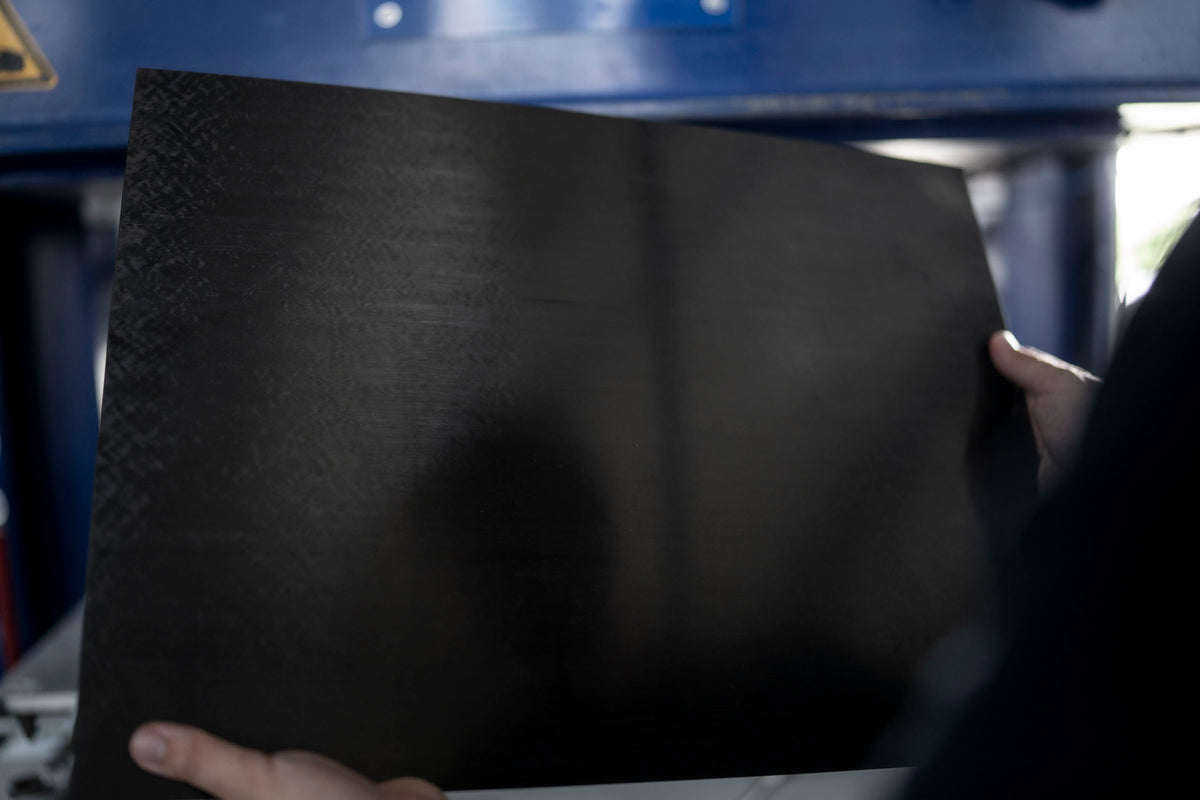
TAFNEX™ Structural Sheets are engineered for performance by layering UD tape with customizable fiber orientation and material. This allows for precise tailoring to meet the specific demands of each application.
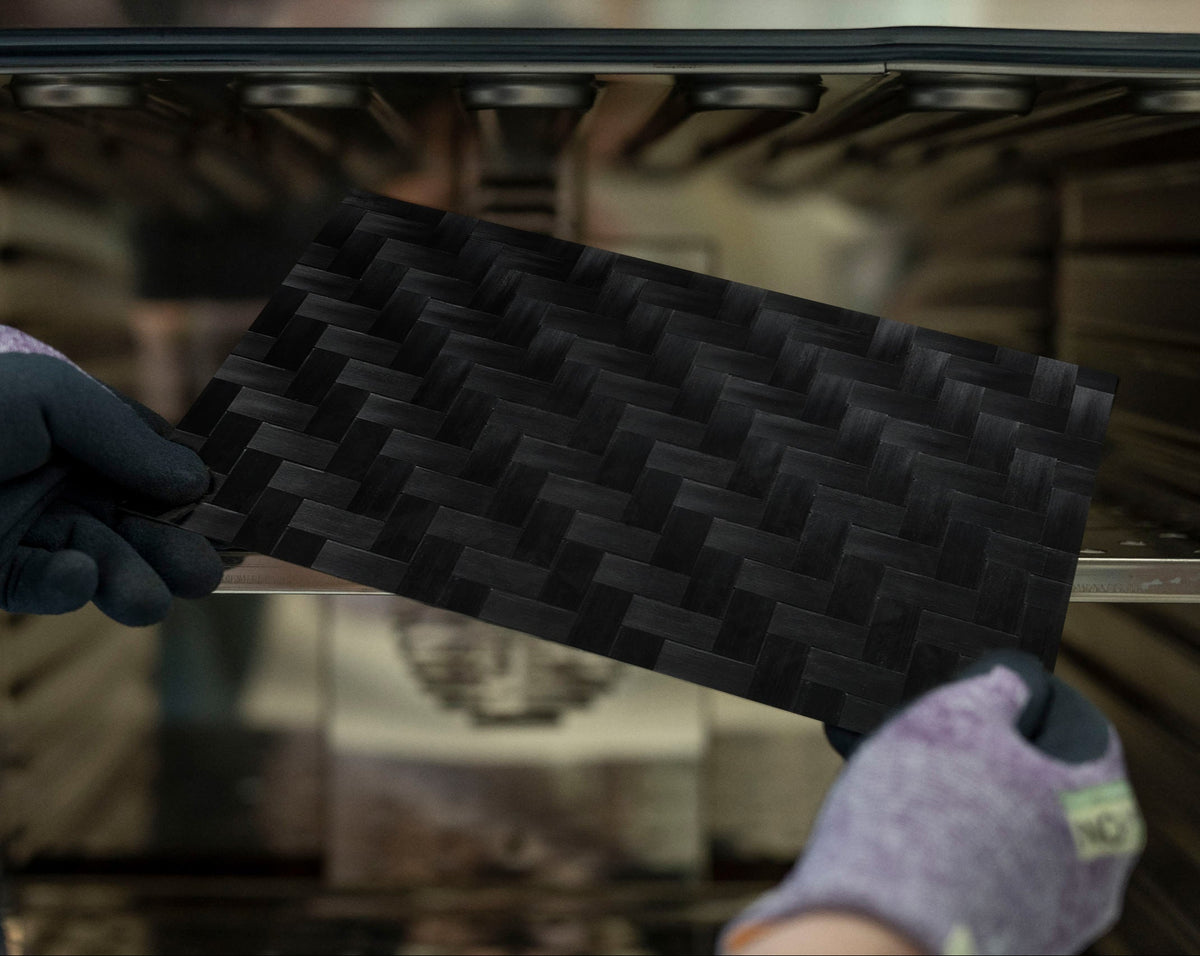
TAFNEX™ Woven Sheets deliver a seamless match between distinctive design and exceptional performance. With high customizability, including different patterns and material combinations, they cater to a wide array of application requirements.
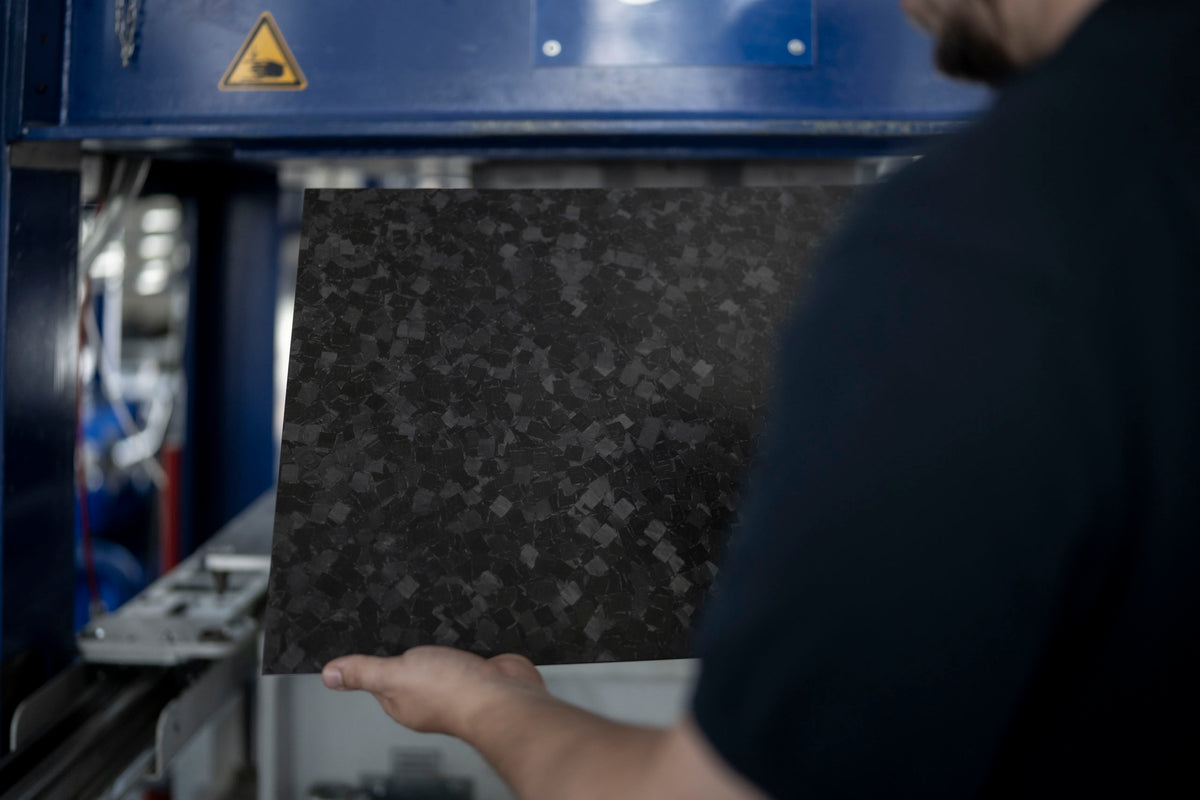
TAFNEX™ Design Sheets combine a stylish forged carbon design with the benefit of mechanical recyclability, attributed to their thermoplastic nature. With a variety of coloring options, they offer a distinctive alternative to the classic black carbon aesthetic as well.
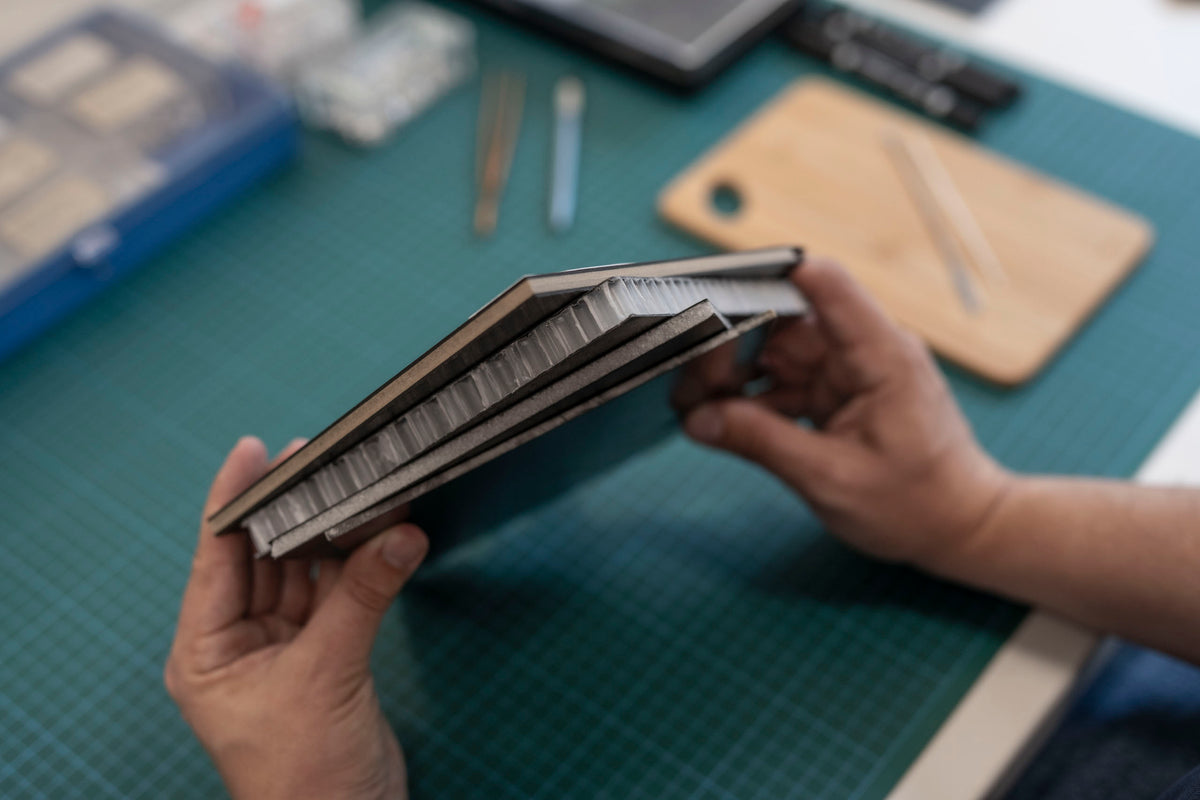
TAFNEX™ Sandwich Panels usually feature both skin and core made from polypropylene materials, ensuring they are not only ultra-lightweight but also mechanically recyclable into reusable compounds. Tailored to each application, they offer customizable skins and a range of core material choices.
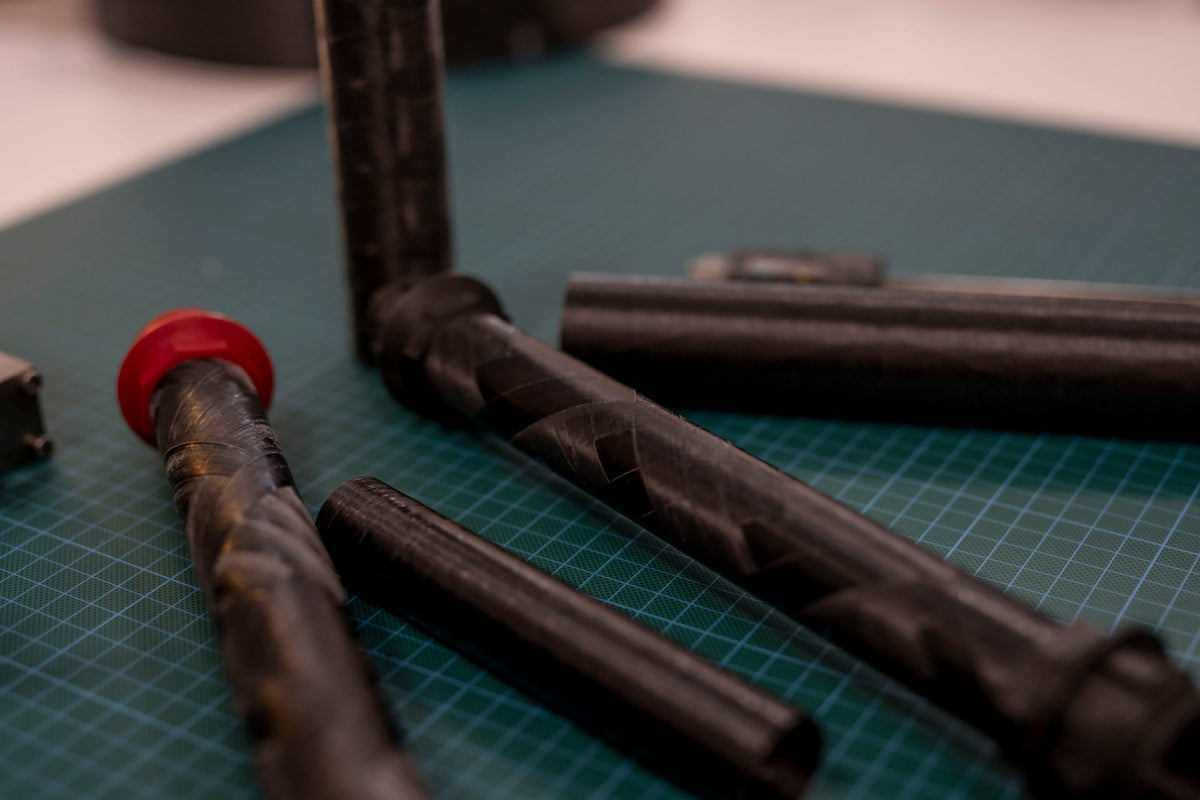
TAFNEX™ Tubes are rotationally symmetrical components manufactured directly from TAFNEX™ UD Tape. They offer several enhancement possibilities, including the addition of functional elements and the ability to form non-linear shapes.
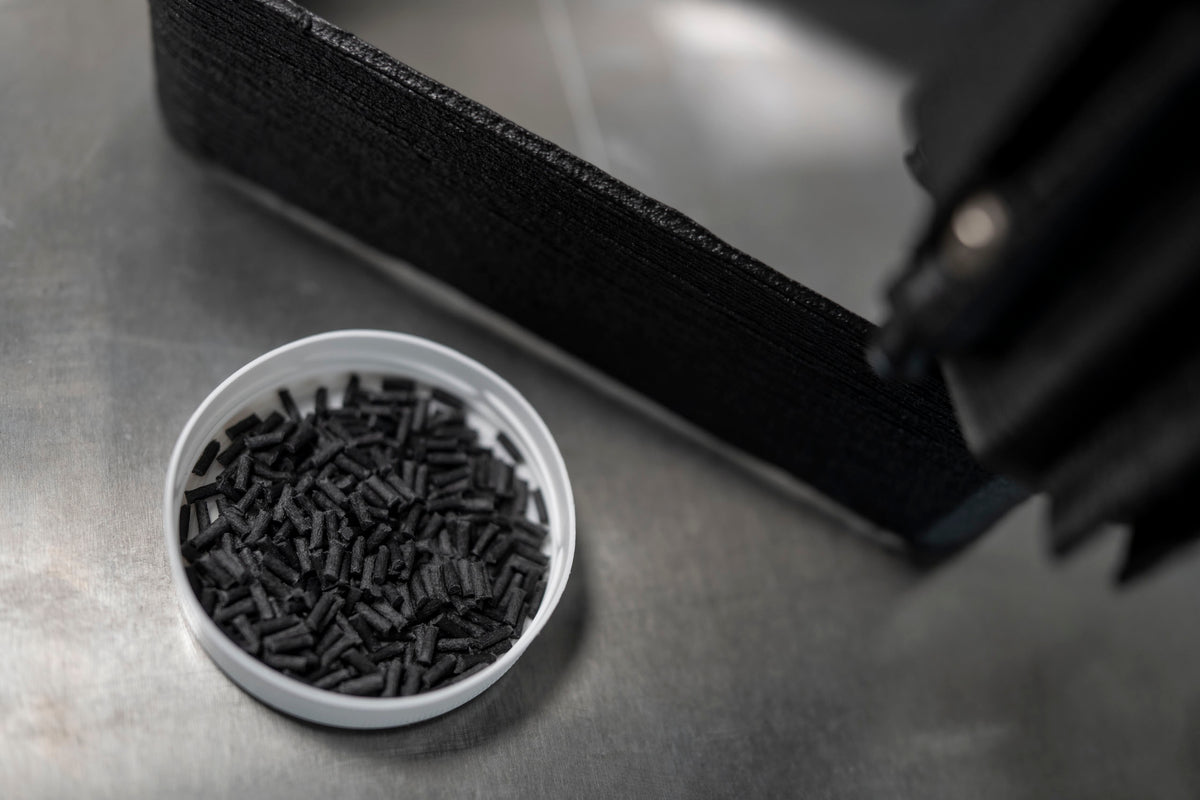
TAFNEX™ Compound is offered in a range of grades featuring various fiber contents for high-performance Injection Molding.

TAFNEX™ Pellets and Filament are specially engineered for 3D printing, overcoming typical challenges like warpage and poor layer adhesion. Ideal for FGF and FFF, they can be used for direct part production and scaled up for larger and small-series components.